180 Narrative Therapy Journal Prompts for Healing and Self-Discovery
Journaling has become a powerful tool for personal growth, especially when guided by structured prompts that encourage reflection and emotional exploration. The 180 Narrative Therapy Journal Prompts offer a comprehensive way to engage in self-reflection, healing, and transformation. Whether you're new to narrative therapy or looking to deepen your practice, these prompts can help you uncover hidden patterns, reframe challenges, and create a more empowering story about yourself.
What Are 180 Narrative Therapy Journal Prompts?
Narrative therapy is a form of counseling that focuses on the stories people tell about their lives. It encourages individuals to separate themselves from their problems and view them as external events that can be changed. The 180 Narrative Therapy Journal Prompts are designed to guide users through this process by offering thought-provoking questions that explore emotions, experiences, and personal narratives.
These prompts are particularly useful for those dealing with anxiety, depression, trauma, or life transitions. They provide a safe space to express thoughts and feelings without judgment. Each prompt is crafted to help users identify core beliefs, challenge negative thinking, and build resilience.
Why People Choose 180 Narrative Therapy Journal Prompts
Many individuals turn to journaling as a way to manage stress, improve mental health, and gain clarity. The 180 Narrative Therapy Journal Prompts stand out because they are not just a list of questions but a complete resource that includes editable templates, making it ideal for both personal use and professional settings.
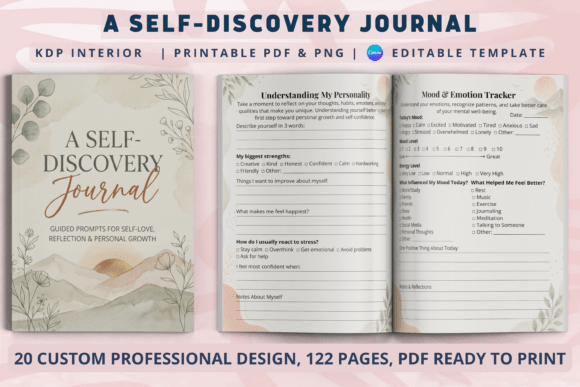
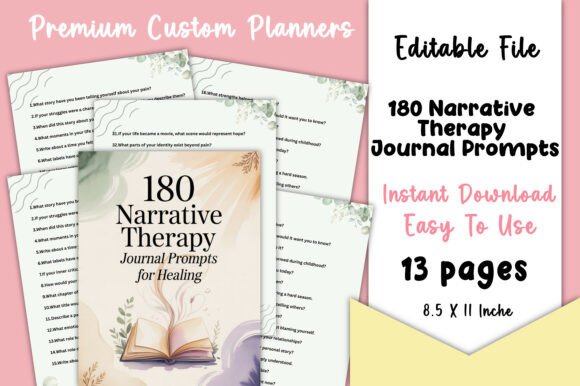
With features like Canva Editable Files, users can customize the design, colors, fonts, and layout to suit their preferences. This flexibility makes it easy to create a personalized journal that reflects one’s unique journey. Additionally, the KDP Interior option allows creators to format and publish their own journals, making it a valuable tool for educators, therapists, and content creators.
Common Mistakes When Using 180 Narrative Therapy Journal Prompts
While the 180 Narrative Therapy Journal Prompts can be incredibly effective, there are common pitfalls that users should avoid to get the most out of their experience.
- Not setting aside dedicated time: Many people start journaling with good intentions but fail to make it a regular habit. Without consistency, progress can be slow or nonexistent.
- Skipping the intro page: The intro page of the journal provides important context and guidance. Skipping it may lead to confusion or misuse of the prompts.
- Using the same prompts repeatedly: While some prompts may resonate deeply, using them too often can reduce their effectiveness. It's important to vary the prompts to keep the process fresh and meaningful.
- Ignoring formatting options: The Canva Editable File allows for customization, but many users overlook this feature. Taking the time to personalize the design can enhance engagement and motivation.
- Not aligning with personal goals: If the prompts don't align with an individual's specific needs or goals, the journaling process may feel forced or unproductive.
How to Avoid These Mistakes and Maximize Results
To ensure that the 180 Narrative Therapy Journal Prompts are used effectively, consider the following tips:
Set a routine: Dedicate a specific time each day or week to journaling. Even 10 minutes can make a difference over time.
Review the intro page: Take time to understand the purpose and structure of the journal. This will help you use the prompts more effectively and stay focused on your goals.
Vary your prompts: Mix up the prompts you use regularly to maintain interest and prevent stagnation. You can also create your own prompts based on your current experiences and challenges.
Customize your design: Use the Canva Editable File to personalize the look of your journal. A visually appealing design can increase motivation and make the process more enjoyable.
Align with your goals: Choose prompts that are relevant to your current situation or long-term objectives. This will help you stay engaged and track your progress over time.
What to Check Before Using 180 Narrative Therapy Journal Prompts
Before downloading or purchasing the 180 Narrative Therapy Journal Prompts, there are a few things to consider:
- File formats: Ensure that the package includes all necessary file types, such as PNG, JPG, and PDF, so you can use the journal on different platforms and devices.
- Dimensions: The standard size is 8.5″ x 11″ Inches, which is ideal for printing. Make sure this fits your intended use, whether for personal journaling or publishing.
- Editing capabilities: Confirm that the Canva Editable File allows for full customization, including text, colors, fonts, and layout styles.
- User reviews: Look for feedback from other users to gauge the quality and effectiveness of the prompts. This can help you make an informed decision.
- Compatibility with KDP: If you plan to use the journal for publishing, ensure that it is KDP tested and formatted correctly for print-on-demand services.
Realistic Examples and Better Approaches
For example, if someone is using the 180 Narrative Therapy Journal Prompts to work through anxiety, they might begin with prompts that ask them to describe their current emotional state and identify triggers. Over time, they can shift to prompts that encourage them to reframe their experiences and build coping strategies.
A better approach would be to gradually introduce more challenging prompts as confidence grows. This ensures that the user remains engaged without feeling overwhelmed. Similarly, using the Canva Editable File to add motivational quotes or images can make the journal more engaging and supportive.
Another example is using the KDP Interior option to create a branded journal for clients or students. By customizing the design and content, professionals can offer a more personalized and effective therapeutic tool.
Conclusion
The 180 Narrative Therapy Journal Prompts offer a valuable resource for anyone seeking personal growth, healing, and self-discovery. With its customizable templates, professional formatting, and structured approach, it's a versatile tool that can be adapted to a wide range of needs and goals.
By avoiding common mistakes and making thoughtful choices about how to use the prompts, users can maximize their benefits and achieve meaningful results. Whether you're a beginner or an experienced practitioner, these prompts can help you create a more empowering narrative about your life and future.