200 Mental Health Journal Prompts: A Versatile Tool for Self-Reflection and Growth
Journaling has long been recognized as a powerful tool for mental health, offering individuals a safe space to explore their thoughts, emotions, and experiences. With the rise of digital tools and customizable templates, journaling has become more accessible and engaging than ever before. One such resource is the 200 Mental Health Journal Prompts, which provides users with a comprehensive set of prompts designed to facilitate introspection, emotional processing, and personal development. These prompts are especially valuable when paired with editable templates like those available on Canva, allowing users to tailor their journaling experience to suit their preferences and needs.
The 200 Mental Health Journal Prompts are not just a list of questions—they are a structured approach to understanding one's mental state, identifying patterns, and fostering emotional resilience. Whether you're an individual seeking self-improvement, a professional in the mental health field, or an educator looking to incorporate mindfulness into your curriculum, these prompts offer practical value across multiple domains. The ability to edit them using platforms like Canva adds an extra layer of customization, making it easier for users to create visually appealing and personalized journals.
Understanding the Role of Journal Prompts in Mental Health
Mental health journaling is a widely recommended practice for managing stress, anxiety, depression, and other emotional challenges. It allows individuals to articulate their feelings, track their progress, and gain insights into their behavior and thought patterns. The 200 Mental Health Journal Prompts serve as a guide, helping users navigate complex emotions and find clarity in times of uncertainty.
Each prompt is crafted to encourage deep reflection and honest self-assessment. For example, prompts might ask users to describe a recent moment of joy, reflect on their triggers for anxiety, or identify their core values. By regularly engaging with these prompts, individuals can develop a greater awareness of their emotional landscape and build healthier coping mechanisms.
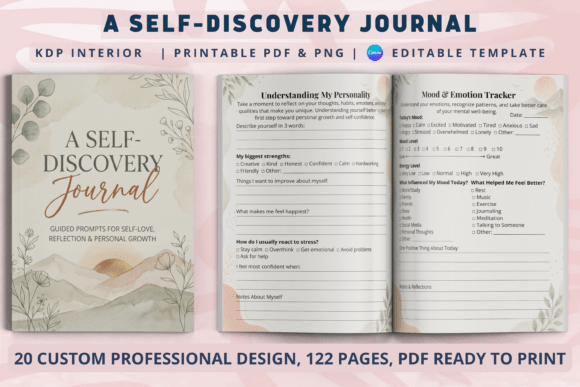
Moreover, the use of Canva KDP Interiors makes it possible to design visually appealing journal layouts that align with personal aesthetics. This feature is particularly useful for creators and educators who want to produce high-quality, printable journal templates for others. The combination of meaningful content and customizable design enhances the overall user experience, making journaling both effective and enjoyable.
Key Features of the 200 Mental Health Journal Prompts
The 200 Mental Health Journal Prompts come with several features that make them a versatile and valuable resource:
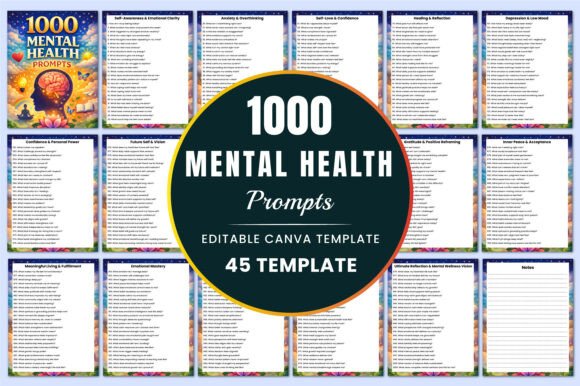
- Comprehensive Coverage: The prompts span a wide range of topics, including self-reflection, goal setting, gratitude, relationships, and emotional well-being.
- Editable Templates: When combined with Canva KDP Interiors, users can modify text, colors, fonts, and layout styles to match their preferences.
- Professional Quality: Designed for KDP (Kindle Direct Publishing), the templates are optimized for print and digital formats, ensuring a polished final product.
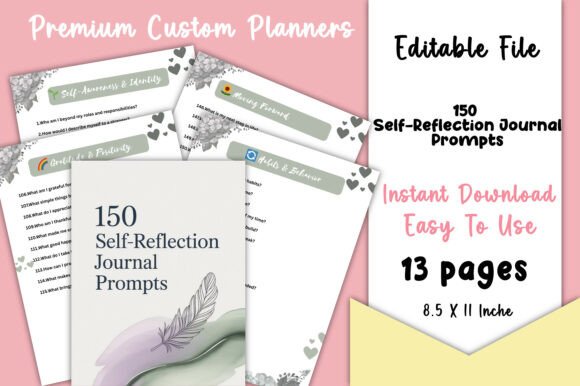
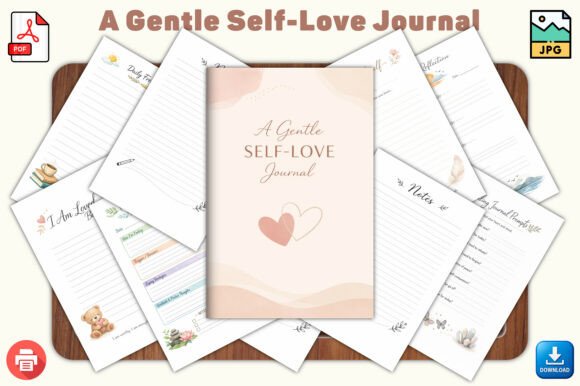
- User-Friendly Format: The file includes PDF, PNG, and JPG versions, making it easy to access and share across different platforms.
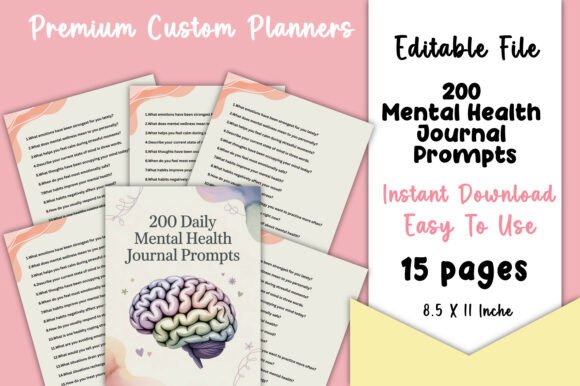
- Structured Layout: The 15-page format includes an introductory page, providing context and guidance for first-time users.
These features collectively contribute to a seamless user experience, whether someone is using the prompts for personal growth or creating a product for sale through platforms like Amazon Kindle Direct Publishing.
Applications Across Different Audiences
The 200 Mental Health Journal Prompts are applicable to a diverse audience, from students and professionals to therapists and educators. Each group can benefit from the prompts in unique ways:
For Individuals: People struggling with mental health issues can use these prompts as part of a daily routine to monitor their emotional state and identify areas for improvement. The prompts provide structure without being prescriptive, allowing users to explore their thoughts at their own pace.
For Educators: Teachers and school counselors can integrate these prompts into wellness programs or mental health workshops. They can be used to encourage students to reflect on their experiences, manage stress, and develop emotional intelligence.
For Professionals: Therapists and counselors may use the prompts as a supplementary tool during sessions, helping clients articulate their feelings and track progress over time. The customizable nature of the templates also allows professionals to tailor the content to specific therapeutic goals.
For Creators and Business Owners: Those interested in publishing or selling journal templates can leverage the Canva KDP Interior format to create high-quality, printable products. The ability to edit text, colors, and fonts ensures that each template can be adapted to fit different themes or audiences.
Design Considerations for Customizable Templates
When using Canva KDP Interiors to customize the 200 Mental Health Journal Prompts, there are several design considerations to keep in mind:
- Layout Style: Choose a layout that promotes readability and visual appeal. Options may include bullet points, numbered lists, or illustrated sections.
- Color Scheme: Select colors that evoke calmness and positivity, such as soft blues, greens, and warm neutrals. Avoid overly bright or contrasting colors that may cause visual fatigue.
- Font Selection: Use legible fonts that are easy to read, especially for those with visual impairments. Sans-serif fonts are generally more readable in digital formats.
- Text Customization: Modify the text to suit the intended audience. For example, prompts for children may require simpler language and playful illustrations, while prompts for adults may focus on deeper emotional exploration.
- File Format: Ensure that the final product is compatible with both digital and print formats. High-resolution images and clear text are essential for professional results.
By considering these factors, users can create visually appealing and functional journal templates that meet the needs of their target audience.
Real-World Examples of Use
The 200 Mental Health Journal Prompts have been successfully used in various real-world scenarios. For instance, a therapist working with clients experiencing anxiety might use the prompts to help patients identify their triggers and develop coping strategies. Similarly, a teacher could incorporate the prompts into a classroom activity aimed at improving emotional literacy among students.
Another example is a business owner who creates and sells journal templates on Amazon. By using the Canva KDP Interior format, they can produce high-quality, customizable products that cater to a wide range of customers. The flexibility of the templates allows for creative variations, making the product more attractive to potential buyers.
In the case of a self-help blogger, the prompts can be integrated into blog posts or online courses, offering readers a structured way to engage with mental health topics. This approach not only enhances the educational value of the content but also encourages active participation from the audience.
Considerations for Effective Use
To get the most out of the 200 Mental Health Journal Prompts, it's important to consider a few key factors:
- Consistency: Regular engagement with the prompts is crucial for building a habit of self-reflection. Setting aside a specific time each day or week can help establish a routine.
- Authenticity: Encourage users to write honestly and without judgment. The goal is to foster self-awareness, not to evaluate performance.
- Privacy: Remind users that their journal is a private space. They should feel comfortable sharing their thoughts without fear of being judged.
- Adaptability: While the prompts provide structure, they should be used as a starting point rather than a rigid framework. Users can modify or skip prompts based on their needs and preferences.
- Support: If users are struggling with mental health issues, they should seek support from a qualified professional. The prompts are a tool, not a substitute for therapy or medical advice.
By keeping these considerations in mind, users can maximize the benefits of the 200 Mental Health Journal Prompts and create a meaningful journaling experience.