ADHD Brain Boost Journal KDP Interiors
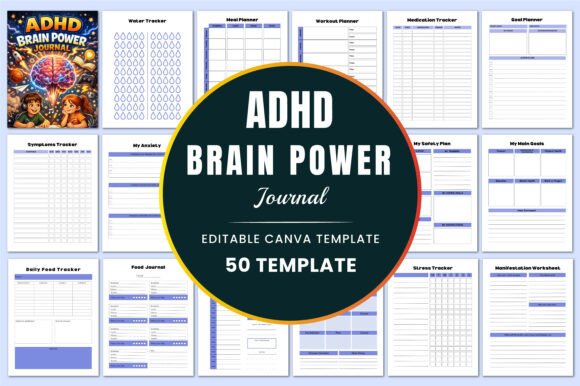
Designing for accessibility and mental wellness is becoming a cornerstone of modern graphic design, and the ADHD Brain Boost Journal KDP Interiors stands out as a powerful tool that bridges the gap between functionality and visual appeal. This ADHD-friendly journal isn't just about notes and planning—it's a carefully crafted resource that supports focus, emotional balance, and daily clarity through structured prompts and intuitive layouts. For designers, marketers, and creators, it offers a unique opportunity to explore how thoughtful design can enhance both user experience and mental health support systems.
Visual Design Meets Mental Wellness
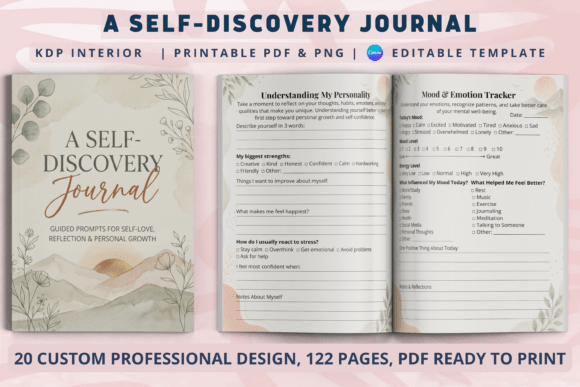
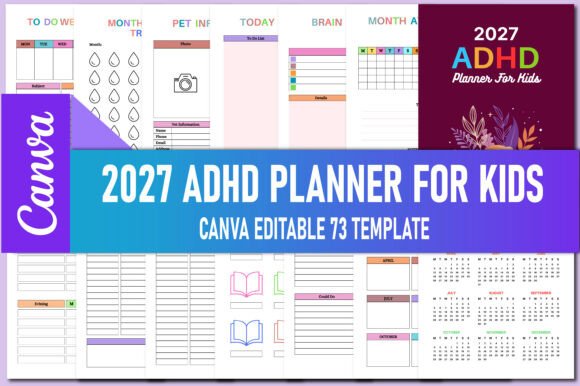
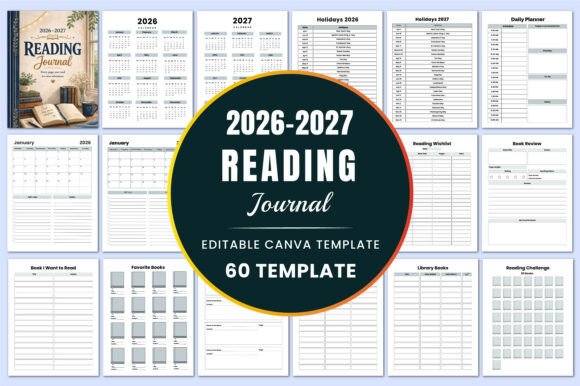
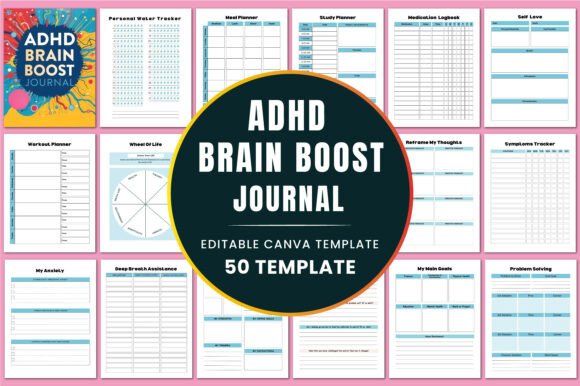
The ADHD Brain Boost Journal KDP Interiors showcases how clean, organized visuals can make a significant impact on cognitive function and emotional regulation. Its use of whitespace, consistent typography, and clear visual hierarchy helps reduce overwhelm and improve readability—key considerations in any design project. These principles are especially relevant for branding and editorial design, where clarity and consistency are essential for effective communication.
For example, the journal’s habit tracker and medication logbook pages utilize simple icons and minimal text, making them highly scalable for use in digital products or print materials. The same approach can be applied to marketing materials, social media graphics, and even packaging design, ensuring that information is easy to digest at a glance.
Branding and Logo Design Applications
The journal’s emphasis on structure and simplicity makes it an excellent reference for brand identity development. A strong brand requires a cohesive visual system, and the ADHD Brain Boost Journal KDP Interiors demonstrates how small, intentional design choices—like color palettes and typographic styles—can reinforce a brand’s message and values.
When designing logos or brand assets, consider how elements like spacing, alignment, and contrast contribute to readability and visual harmony. Just as the journal uses these techniques to support mental clarity, your brand should do the same to build trust and recognition.
Enhancing User Experience Through Thoughtful Layouts
One of the most valuable aspects of the ADHD Brain Boost Journal KDP Interiors is its ability to guide users through complex tasks with ease. This concept translates directly to UI and UX design, where navigation, content organization, and visual flow play a crucial role in user engagement.
Take the monthly sleep tracker or stress level tracker pages. Their layout encourages users to input data without feeling overwhelmed. Similarly, in web design or app interfaces, using similar principles can help users find what they need quickly and efficiently. Think about how your website or application guides users through processes—whether it’s filling out a form or browsing a product catalog. Every interaction should feel intuitive and seamless.
Consider implementing features like progress indicators, step-by-step workflows, or visual cues that mirror the journal’s approach to reducing cognitive load. These strategies not only improve usability but also create a more inclusive design experience.
Typography and Color Palette Considerations
The choice of typography and color palette in the ADHD Brain Boost Journal KDP Interiors plays a vital role in its effectiveness. Soft, neutral tones and legible fonts help create a calming environment, which is particularly important in mental health-focused design.
- Typography: Use fonts that are easy to read and maintain a consistent style throughout your design projects. Sans-serif fonts often provide better readability on screens.
- Color Palette: Choose colors that evoke calmness and focus. Blues, greens, and soft neutrals are excellent choices for promoting relaxation and mental clarity.
These considerations apply to everything from social media posts to presentation decks. A well-thought-out visual system can significantly impact how users perceive and interact with your content.
By drawing inspiration from the ADHD Brain Boost Journal KDP Interiors, designers can create resources that are not only visually appealing but also supportive of mental well-being. Whether you're working on branding, editorial design, or digital products, the key is to prioritize clarity, consistency, and user-centered design principles.